This week, we have a special long-read from our long-time correspondent Laura Porter, who you may remember moved to Wales last year. She's written us up a lovely guide to her new patch, Pembrokeshire. Thank you, Laura!
Member Update
We seemed to have dipped below 250 members again, but here's hoping that in the coming weeks, as we begin our next marketing campaign, we're able to build back up and then get to our 300-member goal. I'm hoping we can reach 300 by the summer.
Sunday Post: The Anglotopia Guide to Pembrokeshire by Laura Porter
At the country's south-western tip, Pembrokeshire is the fifth-largest county in Wales. It is predominantly rural and relies on agriculture and tourism. Pembrokeshire receives 6 million visitors a year. With more Blue Flag beaches than anywhere else in Wales, and 186 miles of coastline, it's no surprise the county population doubles in the summer. The area is so well-loved by English visitors that South Pembrokeshire is sometimes known as “Little England beyond Wales”.
As Britain's only predominantly coastal National Park, the Pembrokeshire Coast National Park is a geological marvel. It boasts an incredible diversity of landscapes and houses four National Nature Reserves: Ty Canol, Penge's Forest, Skomer Island and Stackpole. The area is also known for its dramatic tides that can differ by as much as 26 feet (8 m).
Beyond the stunning coastline, Pembrokeshire is home to the Preseli Hills. This historic site is the source of the 2–4 ton 'bluestones' used in the initial construction of Stonehenge around 3000–4000 BC. Remarkably, these massive stones were transported over 150 miles to reach Salisbury Plain in England.
Rosebush in the Preseli Hills was the largest slate quarry in the area and prospered during the Victorian housing boom. Slates from the Rosebush quarries were used across the UK, including to roof London's Houses of Parliament.
Beaches
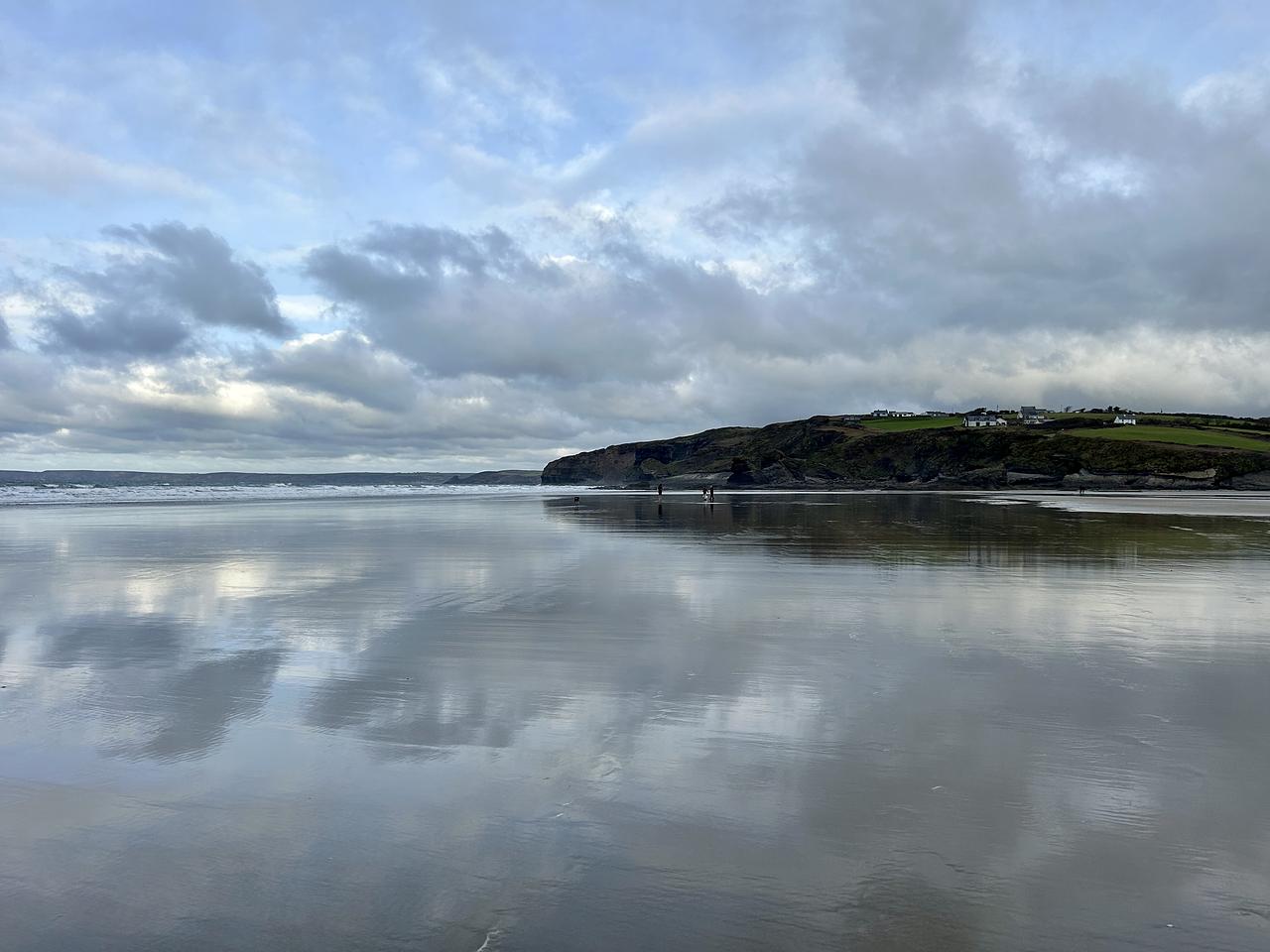
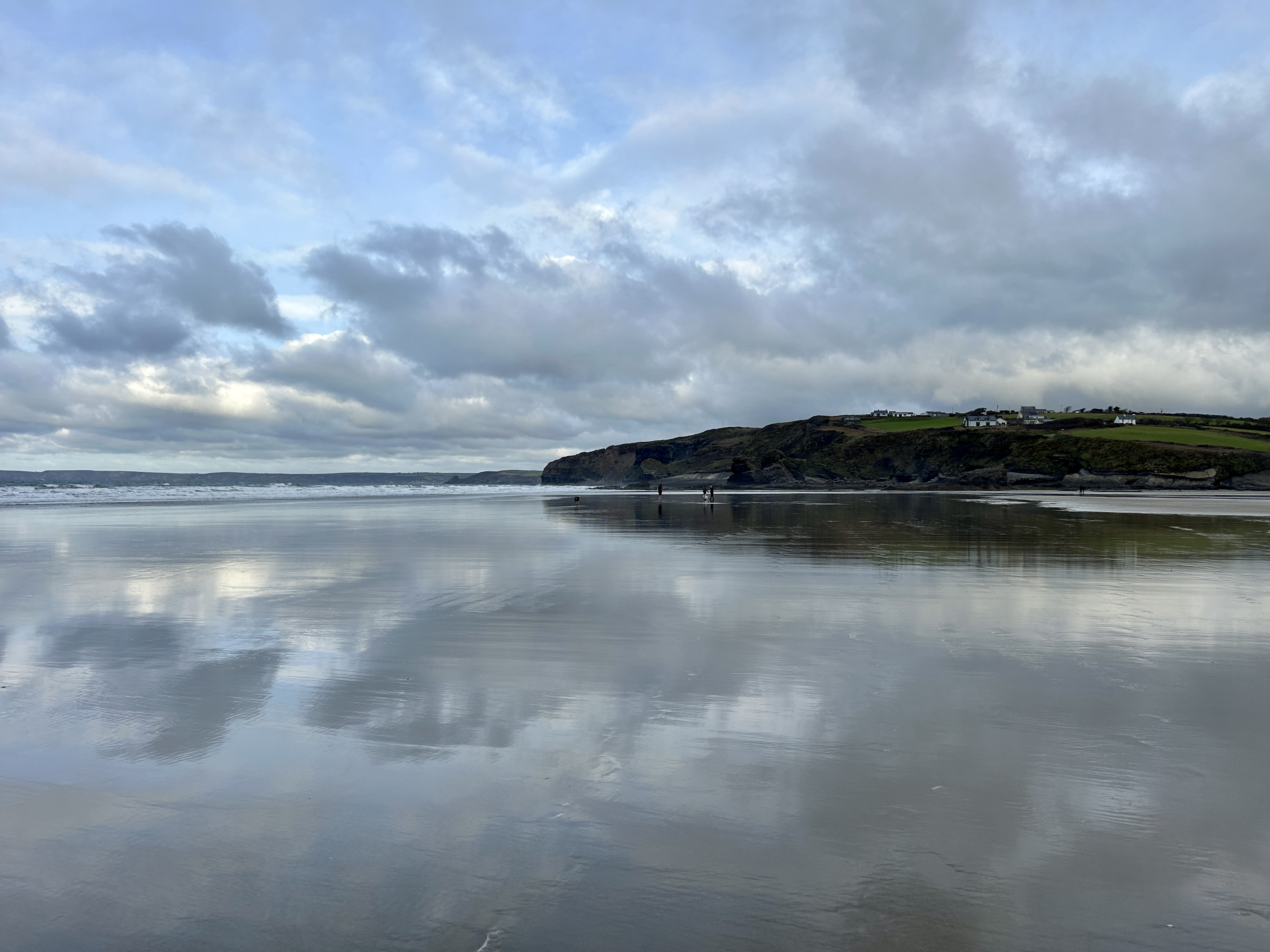
There are hundreds of beaches in Pembrokeshire, but Broad Haven is my nearest and favourite beach. It's an expanse of sand which runs the length of Broad Haven village. Popular with families, it's what summer holidays were made for. Or head to Broad Haven South, managed by the National Trust, where you can also enjoy the Bosherton lily ponds.
Want to watch surfers? You need Newgale or Freshwater East. Or maybe you're a Harry Potter fan and want to see Dobby's grave at Freshwater West.
Dale is a great location for crabbing and collecting sea glass. And some locals call Marloes Sands "the moon beach' because of its landscape. Plus, it's never really busy because of the cliff walk to reach it.
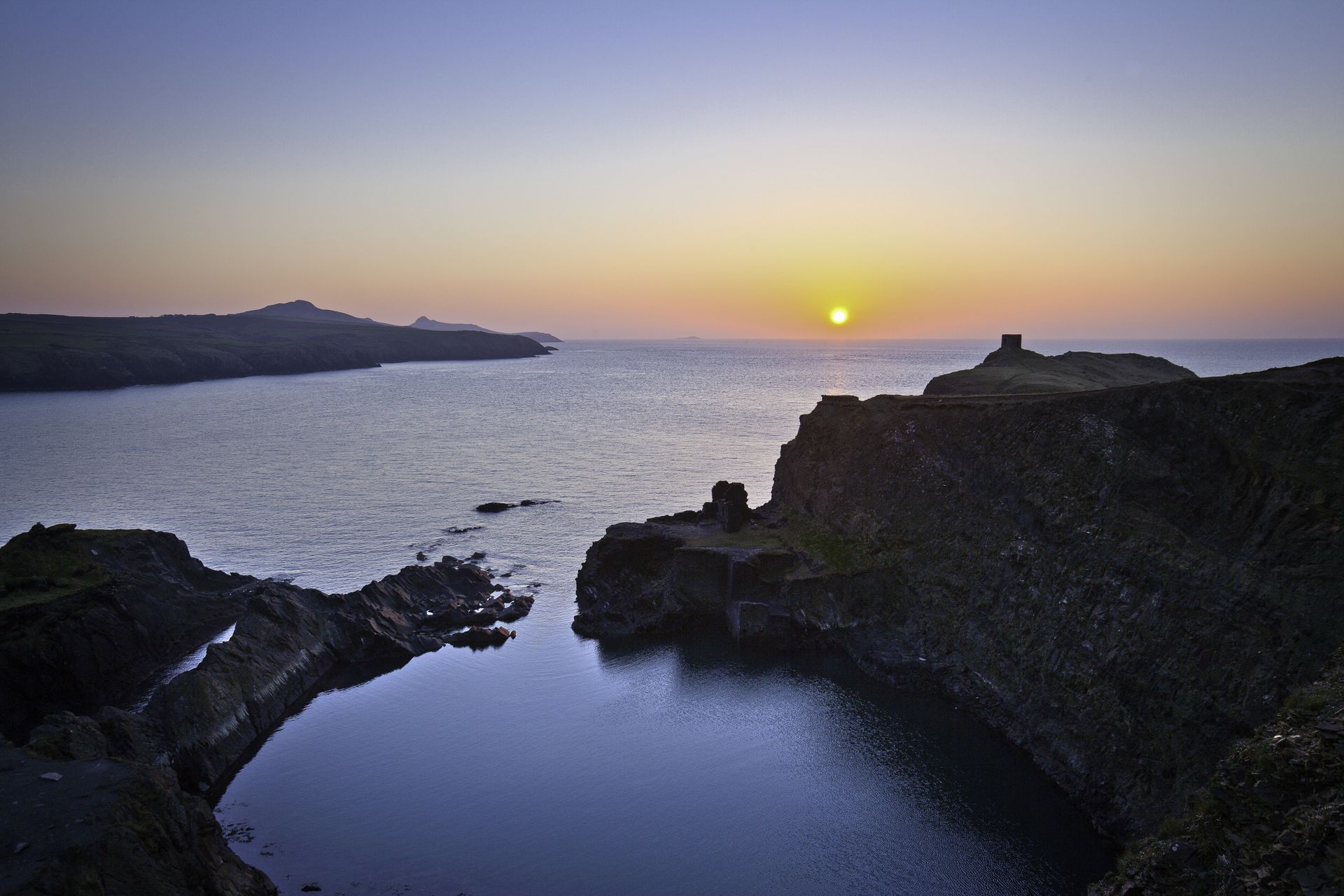
A popular swimming location is The Blue Lagoon – a former quarry, turned into an 80-foot (25 m) deep turquoise lagoon by blasting a channel to the sea. And I've enjoyed evenings watching the sunset and dolphins at Little Haven. Beyond the sunset, Pembrokeshire’s wild and rugged coast boasts some of the best dark sky opportunities in Wales.
Even in the height of the summer holidays, you can usually find a quieter beach as there are so many to choose from.
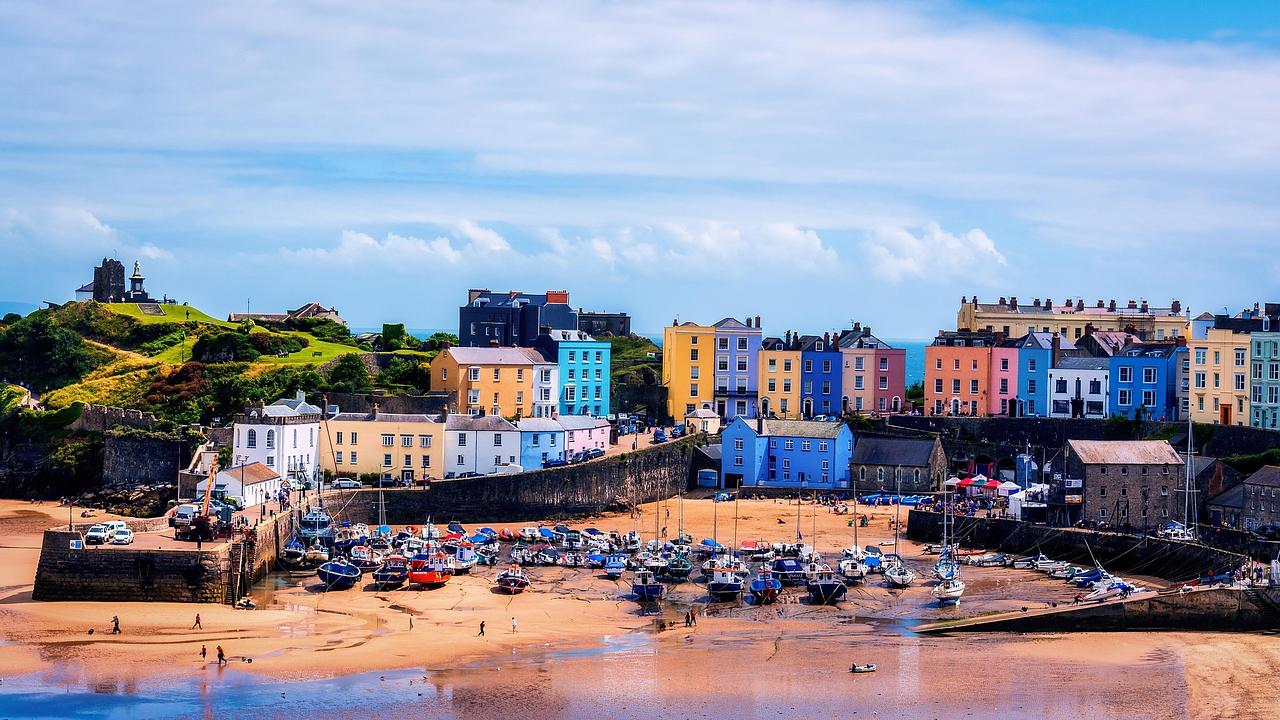
A town that is never quiet and gets very overcrowded in summer is Tenby. It's a picturesque harbour, so most visitors want to see it. This was Pembrokeshire‘s first seaside resort, with people travelling to take the waters here from the early 19th century.
Random Fact: The man who gave the world the equals sign was born in Tenby in 1510. Robert Recorde was a physician and mathematician who rose to become the doctor of King Edward VI. But he ended his days a broken man, sued for defamation and died in debt.
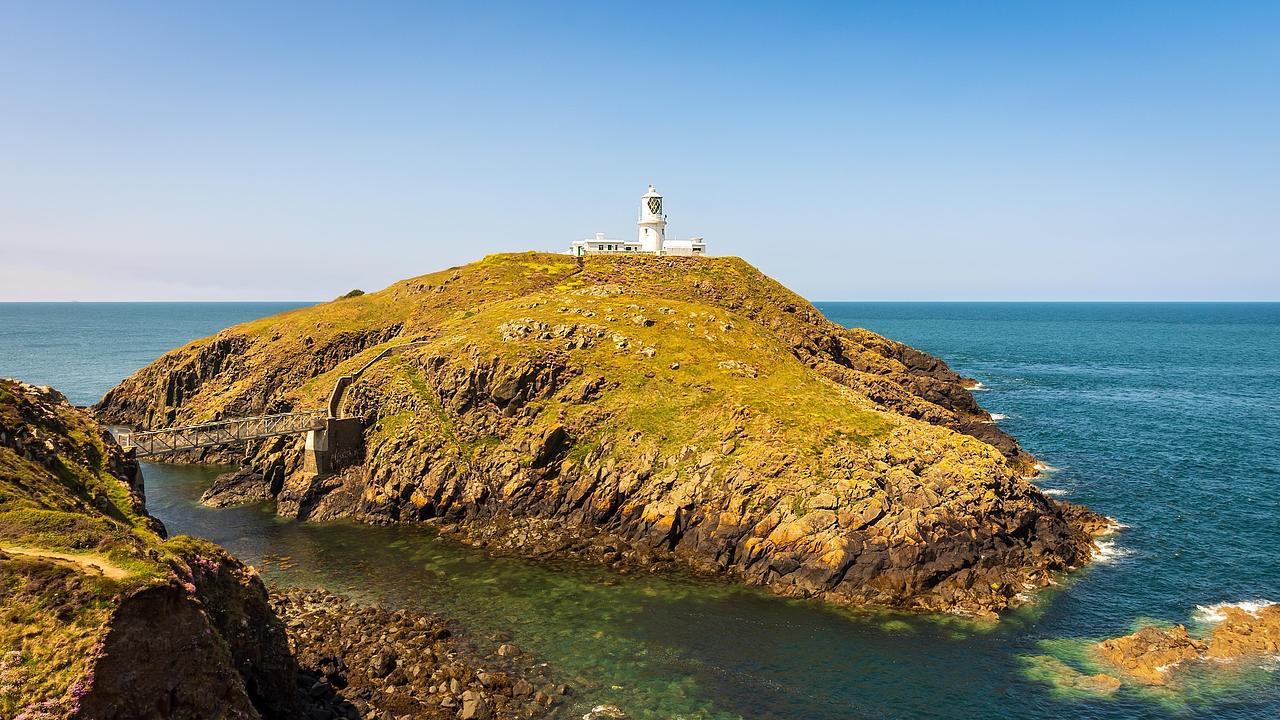
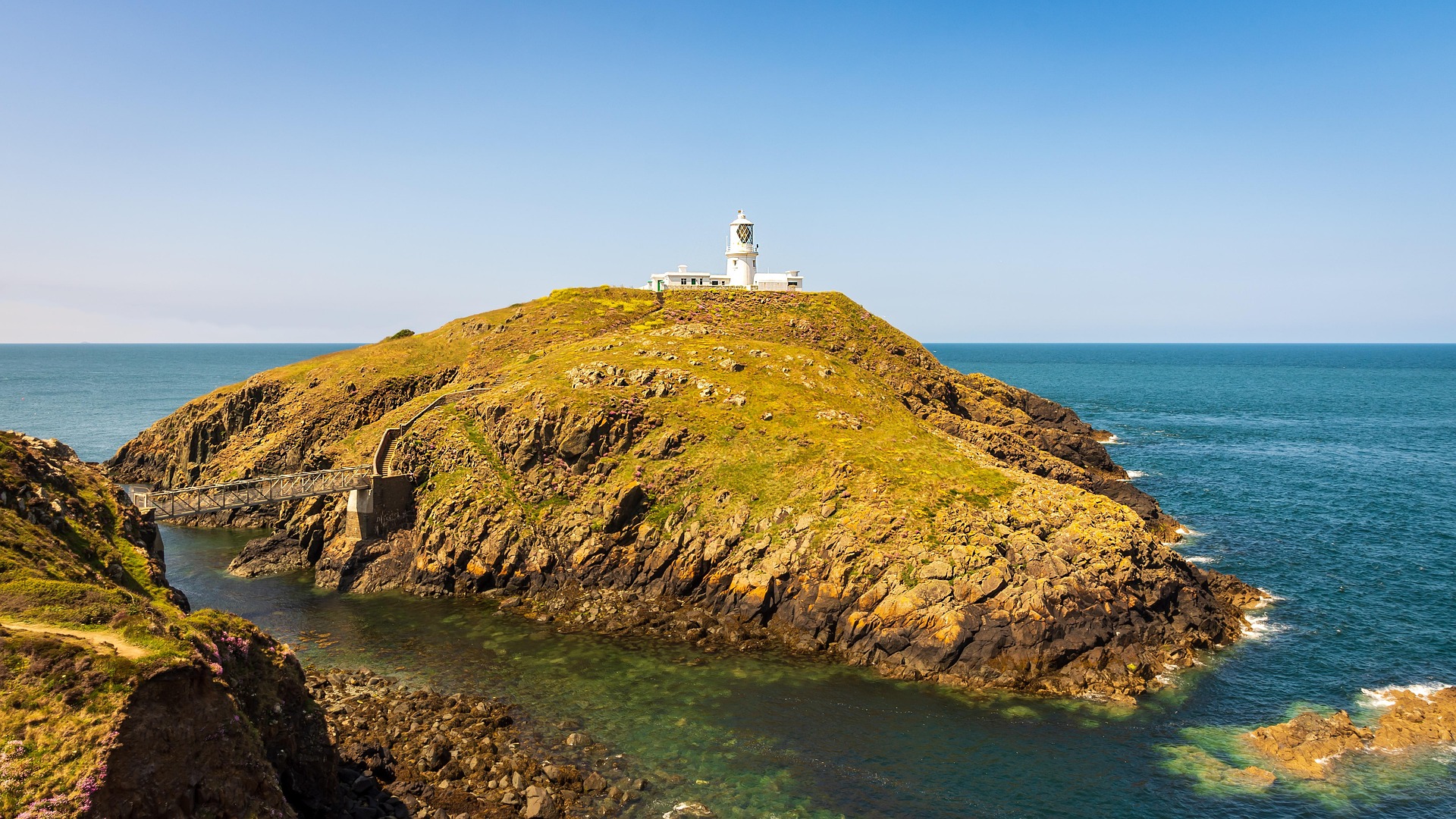
For more unusual coastline exploring, Strumble Head lighthouse is perfect for seal watching. Or you can visit St Govan's Chapel, but you need to cross the Castlemartin Range, so always check the military firing notice first. The Chapel is a 13th-century hermit's cell carved directly into the limestone cliffs. (My friends call it the BFG house – Big Friendly Giant from the Roald Dahl story.)
History Facts: Milford Haven waterway was recognised by Admiral Lord Nelson in 1802, who described the port as one of the finest harbours in the world. Neyland Marina, on the Milford Haven waterway, was apparently founded by Isambard Kingdom Brunel when he built the South Wales Railway.
Get Out on The Water
Coastline boat trips often focus on the wildlife, such as the puffins on Skomer Island. A 10 square mile area of sea and seabed around Skomer Island makes up one of three Marine Nature Reserves in the UK. I tried this last year and was amazed at the thousands of puffins you can see without even landing at Skomer.
Ramsey Island is an RSPB Nature Reserve that can be reached by boat from St Davids. And Caldey Island is a 20-minute boat trip from Tenby with a Cistercian Monastery.
If you want something more active, Llys-y-frân Lake offers water activities such as paddleboarding and kayaking. Managed by Welsh Water, there are also land activities, such as cycling or archery, plus a cafe and visitor centre.
Walking
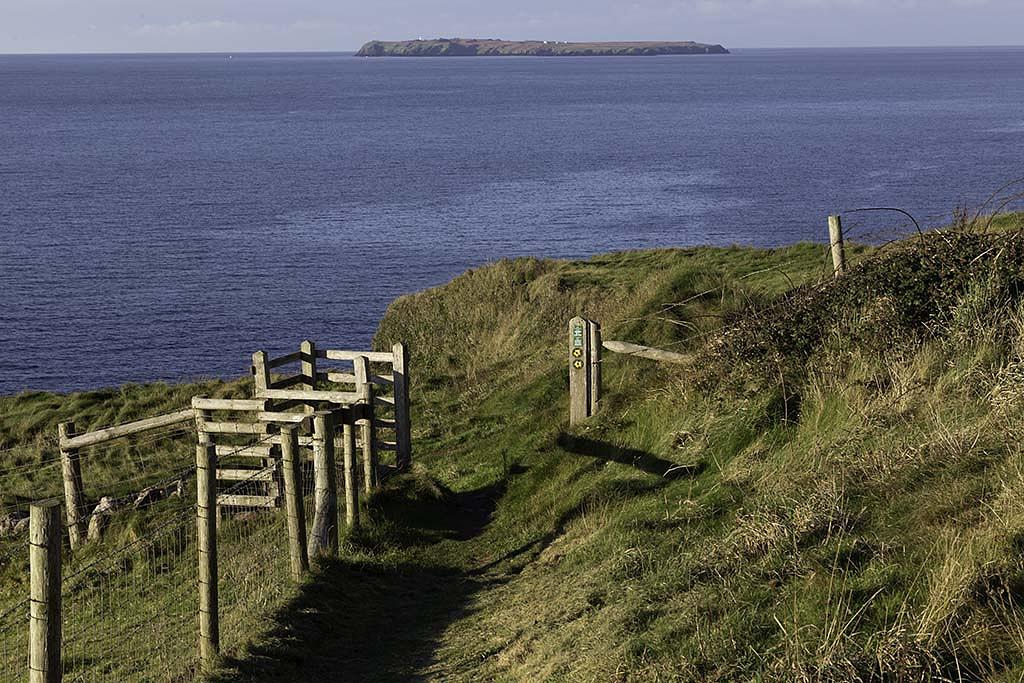
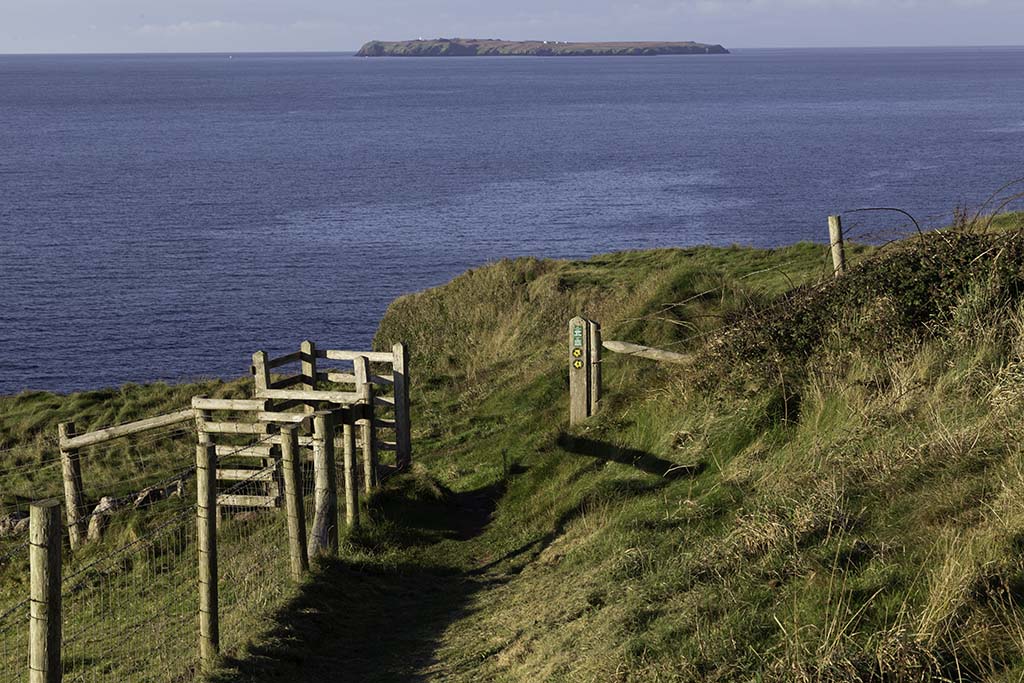
Spanning nearly 200 miles of Britain’s most breathtaking coastline, the Pembrokeshire Coast Path National Trail offers an incredible journey through diverse maritime landscapes. Winding almost entirely through the Pembrokeshire Coast National Park, the path leads walkers past everything from rugged clifftops and hidden coves to expansive beaches and quiet estuaries. Along the way, visitors can discover vibrant coastal wildflowers, diverse birdlife, and fascinating traces of human history dating from the Neolithic era to today.
You don't have to walk the whole Trail, though, as there are lots of shorter walks available. This website has over 200 circular walks, so you can plan to return to your bus stop or car park.
Heritage
Legend has it that Pembrokeshire was the birthplace of Wales' patron saint, St David, so there’s also a rich history to explore, along with an abundance of castles and a historic cathedral.
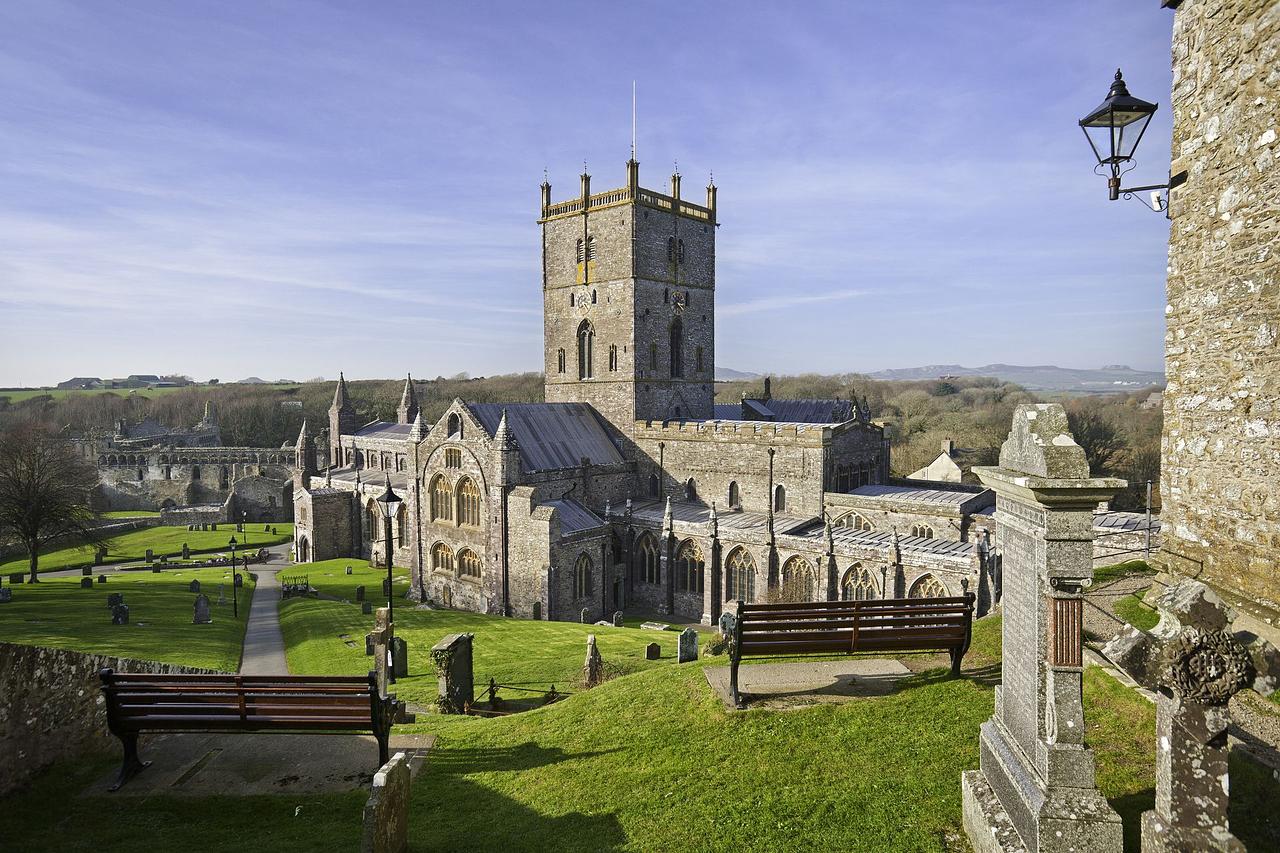
St David’s Cathedral is reputedly where the patron saint's bones lie. The present cathedral was begun sometime between 1180 and 1182 and is the culmination of centuries of rebuilding and expansion. It's built upon the site of an earlier sixth-century monastery built by St David. He was said to have died on 1st March 588, which is why St David's Day is celebrated annually on that day.
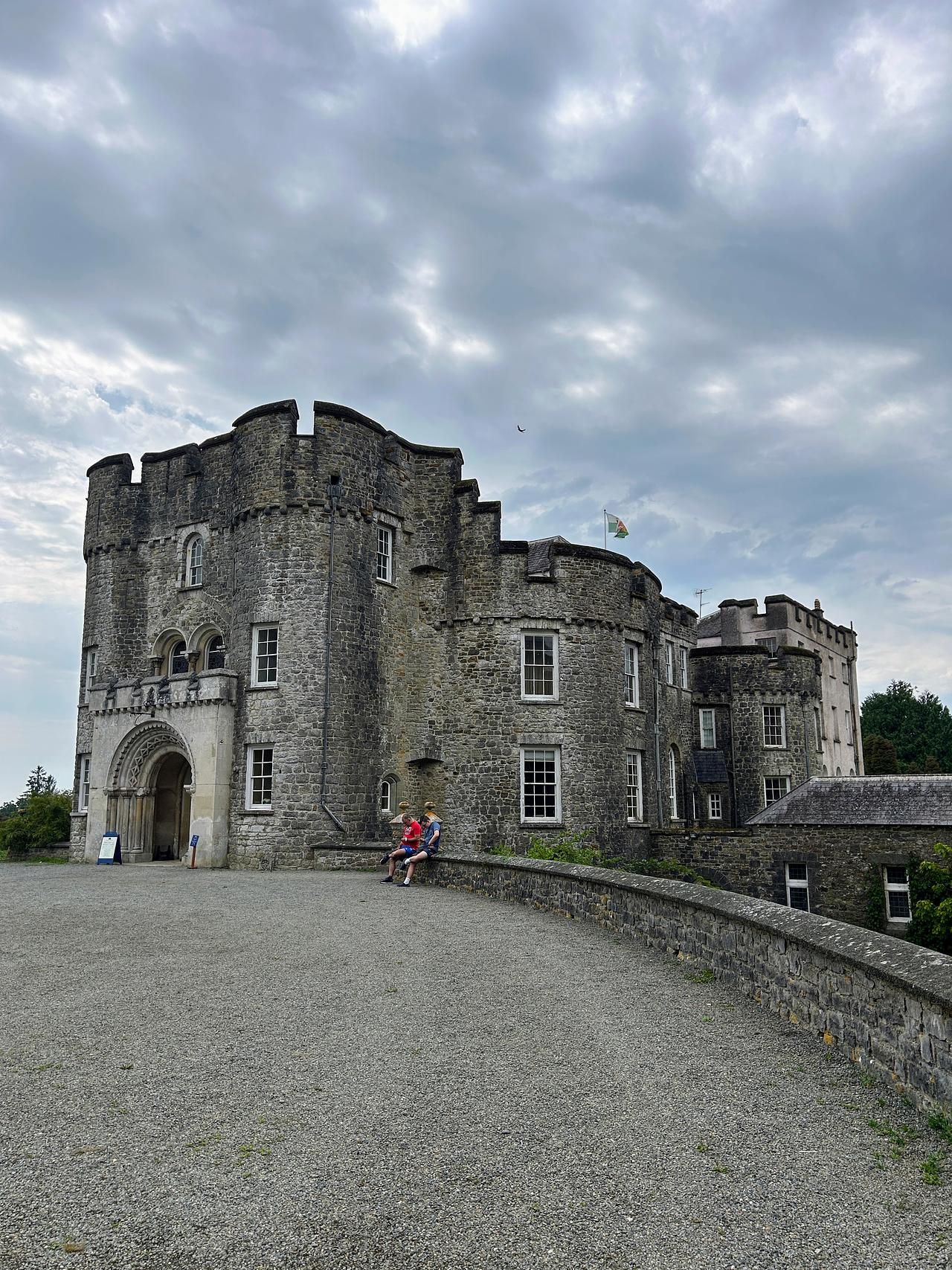
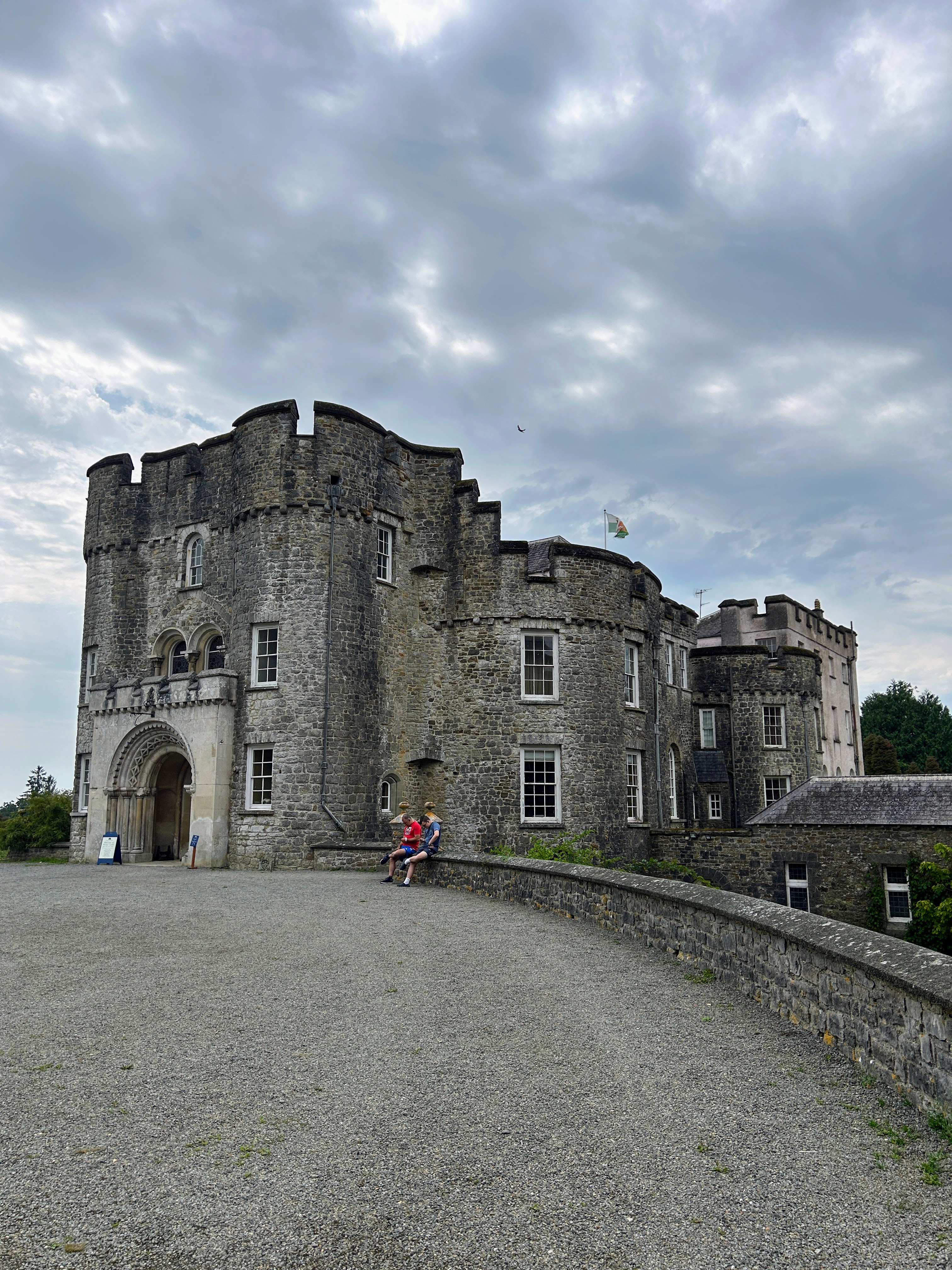
I've enjoyed a day out at Picton Castle. It's a unique historic house, built around 1315 and internally remodelled in the early Georgian period, and is set in 50 acres of beautiful gardens.
The well-preserved ruins of Carew Castle are also worth visiting, as there are lots of events throughout the year. This magnificent riverside castle also has an 11th-century Celtic Cross nearby.
Pembrokeshire was drawn into battle during the English Civil War. When King Charles and the Royalists took arms against Cromwell in 1642, they used several Welsh castles as bases. Pembroke Castle is a medieval town-centre castle surrounded on three sides by a tidal moat. It is most famous for being the birthplace of Henry VII, the founder of the Tudor Dynasty, and Britain's only Welsh King.
Pembrokeshire holds the distinction of being the site of the last invasion of Britain. In 1797, a Motley crew of French ‘soldiers’ (many were released convicts) came ashore near Fishguard under the command of the Irish-American General Tate. This momentous event is immortalised in an 100 foot (30.5 m) long tapestry, which vividly depicts the invasion and the local response. Do also explore the Fishguard and Goodwick Heritage Trail for more in the area.
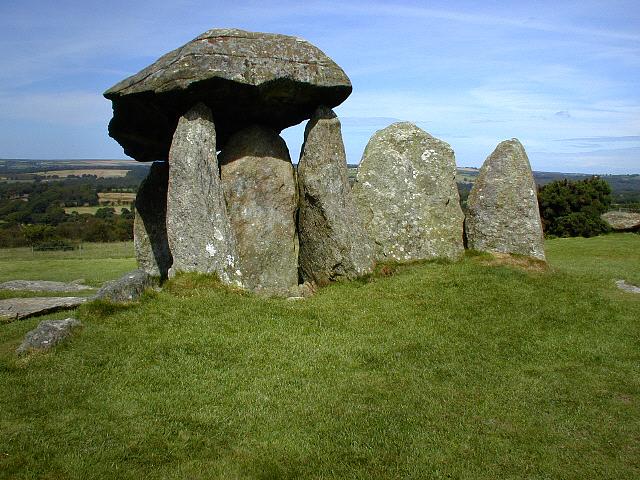
Taking the history back even further to c. 3500 BC, Pentre Ifan is Wales' largest and finest Neolithic portal dolmen (single-chamber tomb). It is a stunning, 5,000-year-old monument that once formed the entrance to a long, buried chambered cairn (human-made pile of rocks as a burial marker). Carreg Samson is similar. Even older are the petrified forests at Amroth beach, which were submerged 7,000 years ago by rising sea levels.
Cadw is the equivalent of English Heritage, so it is a great resource to find places to visit.
Artists and Makers
The rugged coastline and soft sandy beaches have inspired the artists and makers of Pembrokeshire for centuries. I regularly visit studios, galleries, craft fairs, and the many independent shops. Narberth is a pretty town that's become a centre for artists and craftspeople.
Melin Tregwynt woollen mill has been in continuous operation since at least 1841. You can go inside the working mill, plus an excellent shop and cafe. The Princess of Wales recently visited to showcase the traditions of the British textile industry. Smaller, but also worth a visit, is Solva Woollen Mill, where they specialise in woven flooring.
When To Visit
Wales has a bit of a reputation for the rain, but you'll find some decent weather from May to September. There are lots of annual events to see, from the Christmas Illuminated Tractor Runs, the Tenby Boxing Day swim, to summer carnivals and November firework displays. You can find Mari Lwyd traditions in December and January, and Wales has its own day of love on 25th January for St Dwynwen's Day, so it's perfect for a cwtch.
Hopefully, this short guide has inspired you to want to know more. Wales is much more than a day trip to Cardiff. Whenever you come, Wales is "lush". Croeso!



Post a reply